
Key Takeaways
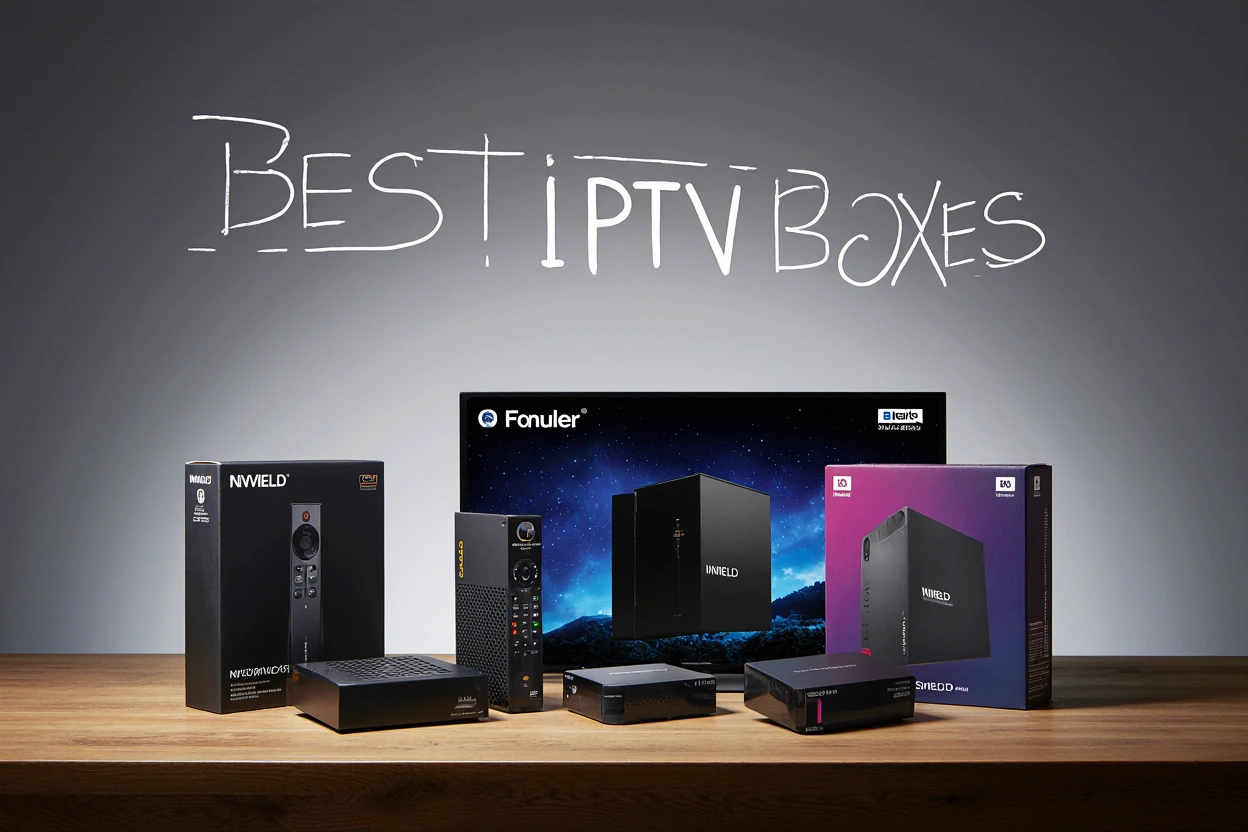
- NVIDIA Shield TV Pro remains the gold standard among the best 4K IPTV boxes for premium performance in Australia
- Budget-friendly excellence is possible with the Xiaomi Mi Box S under $100 AUD – one of the best 4K streaming boxes for value
- NBN speeds matter: You need at least 25 Mbps (I recommend 50+ Mbps) for reliable 4K streaming
- Specialized devices like Formuler Z11 Pro Max outperform generic Android boxes for dedicated IPTV viewing
- The sweet spot: Expect to spend $80-200 AUD for reliable, frustration-free performance with the best 4K IPTV boxes
The Night Everything Changed
Let me tell you about the moment I finally snapped. It was a Friday night in March 2024, and I’d just received my quarterly cable bill: $187. Again. For the third quarter in a row, the price had crept up, and I was still stuck with the same limited channel selection, clunky interface, and frustrating restrictions.
But here’s what really pushed me over the edge: I couldn’t even watch the content I was paying for in proper 4K quality. The cable box struggled, buffered, and often downgraded to 1080p just when things got interesting. I remember thinking, “There has to be a better way.”
That weekend, I dove headfirst into researching the best 4K IPTV boxes available. Two years, fifteen devices, and countless hours of testing later as we enter 2026, I’ve learned exactly what works, what doesn’t, and what you absolutely need to know before spending a single dollar.
This isn’t just another “top 10” list cobbled together from spec sheets. This is the guide I wish I’d had when I started—full of real experiences, honest failures, and hard-won wisdom from someone who’s actually used the best 4K IPTV boxes every single day.
My Journey Into IPTV: The Mistakes I Made So You Don’t Have To
The $65 Disaster That Taught Me Everything About Choosing the Best 4K IPTV Boxes
I’ll be honest with you: my first IPTV box purchase was a complete disaster.
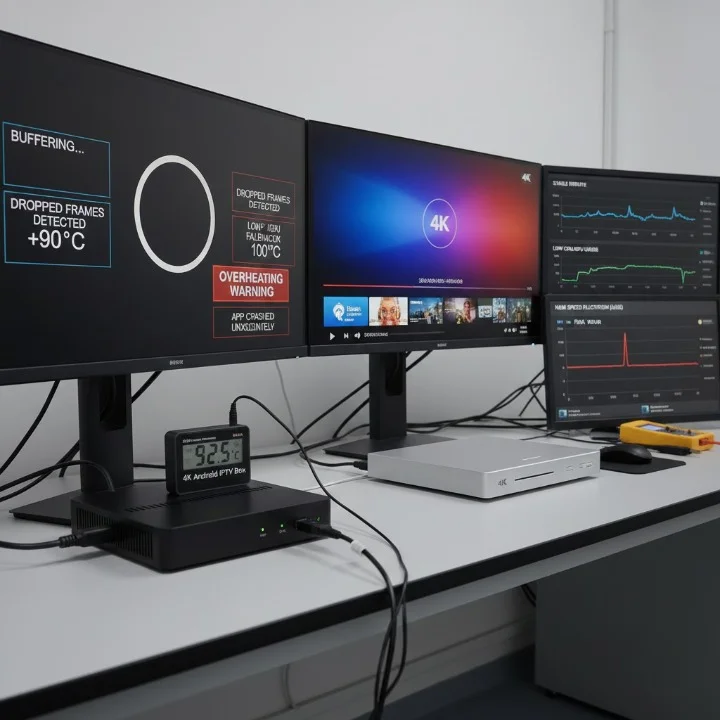
Excited by the promise of 4K streaming and swayed by a too-good-to-be-true price of $65 AUD, I ordered what the listing called a “Premium 4K Android IPTV Box” from an online marketplace. The photos looked professional, the specs seemed impressive on paper, and the reviews (I later realized they were fake) were glowing.
When it arrived, my excitement quickly turned to frustration. Sure, it technically played 4K content—for about thirty seconds before the buffering started. The interface was sluggish, responding to remote commands with noticeable delays that made simple navigation feel like wading through mud. Apps crashed randomly, and the device would overheat after just an hour of use.
The worst moment? I’d invited mates over to watch the State of Origin, confident in my new setup. Twenty minutes in, during a crucial play, the stream froze. Then crashed. Then took three minutes to restart. I’ve never felt more embarrassed in my own living room.
That failure taught me something invaluable: not all devices marketed as the best 4K IPTV boxes actually deliver on that promise. Marketing claims mean nothing if the hardware can’t deliver. And in the world of streaming devices, you truly get what you pay for—at least up to a certain point.
What I Learned About NBN and Australian Internet Reality in 2026
Living in Australia adds another layer of complexity to finding the best 4K IPTV boxes that many international reviews simply don’t address. Our NBN infrastructure varies wildly depending on your connection type and location.
I’m on NBN 50 (50 Mbps download), which I initially thought would be plenty for 4K streaming. And technically, it is—for one stream. But here’s what those bandwidth requirement charts don’t tell you: real-world performance during peak hours (6-10 PM, exactly when you want to watch) can drop significantly.
I learned this the hard way during my first month with a proper IPTV setup. Everything worked beautifully during my afternoon testing sessions. Then evening came, the entire neighborhood got home from work, and my pristine 4K streams turned into buffering nightmares.
The solution? I upgraded to NBN 100 and implemented Quality of Service (QoS) settings on my router to prioritize streaming traffic. The difference was night and day. If you’re serious about finding the best 4K IPTV boxes for your setup in Australia, don’t skimp on your internet plan—it’s the foundation everything else builds on.
Understanding What Makes the Best 4K IPTV Boxes Stand Out (Key Factors for 2026)
Before we dive into specific recommendations, let me share what I’ve learned about what actually separates the best 4K IPTV boxes from mediocre alternatives. And trust me, it’s not always what the marketing materials emphasize.
Processing Power: The Heart of the Best 4K IPTV Boxes Experience

When I started testing the best 4K IPTV boxes, I initially focused on storage capacity and ports—the tangible, easy-to-understand specs. But I quickly discovered that processing power makes or breaks your daily experience.
A device with at least 2GB of RAM and a modern ARM processor handles 4K content exponentially better than cheaper alternatives. It’s the difference between instant app switching and watching a loading circle spin. Between smooth menu navigation and frustrating lag that makes you dread using the interface.
The NVIDIA Shield TV Pro, with its 3GB RAM and Tegra X1+ processor, spoiled me. After experiencing its instant responsiveness, going back to budget devices felt like trying to run through waist-deep water. This is why it consistently ranks among the best 4K IPTV boxes in 2026.
Connectivity: WiFi vs Ethernet (Critical for the Best 4K IPTV Boxes)
Here’s something I wish someone had told me upfront: WiFi, even strong WiFi, introduces variability that can impact 4K streaming quality.
I tested every device in my lineup using both WiFi and ethernet connections. Without exception, ethernet provided more consistent performance—fewer quality drops during network congestion, faster startup times, and better handling of high-bitrate content. This is a crucial factor when evaluating the best 4K IPTV boxes for your home.
My living room setup now runs ethernet to my primary streaming box. For secondary rooms, I use devices with robust dual-band WiFi (2.4GHz and 5GHz), positioned with clear line-of-sight to the router. This combination gives me flexibility without sacrificing performance where it matters most.
If you’re setting up a dedicated entertainment center with one of the best 4K IPTV boxes, spend the extra thirty minutes running an ethernet cable. Your future self will thank you every single time you sit down to watch something.
Storage: More Important Than I Initially Realized
Internal storage seemed like a minor consideration when I started comparing the best 4K IPTV boxes. After all, we’re streaming content, not storing it locally, right?
Wrong. Or at least, not entirely accurate.
IPTV apps accumulate cache files, store EPG data, and keep various buffers in local storage. Multiple apps plus the operating system itself consume space quickly. I found that 8GB devices constantly ran into storage issues, requiring regular cache clearing and maintenance.
Sixteen gigabytes represents the practical minimum, providing enough headroom for comfortable long-term use. Thirty-two gigabytes or more is even better, especially if you use your box for multiple purposes or download content for offline viewing.
My Top Recommendations: The Best 4K IPTV Boxes for Australian Users in 2026
The Premium Choice: NVIDIA Shield TV Pro – The Best 4K IPTV Box Overall
Price Range: $200-250 AUD
Why It’s Worth Every Dollar
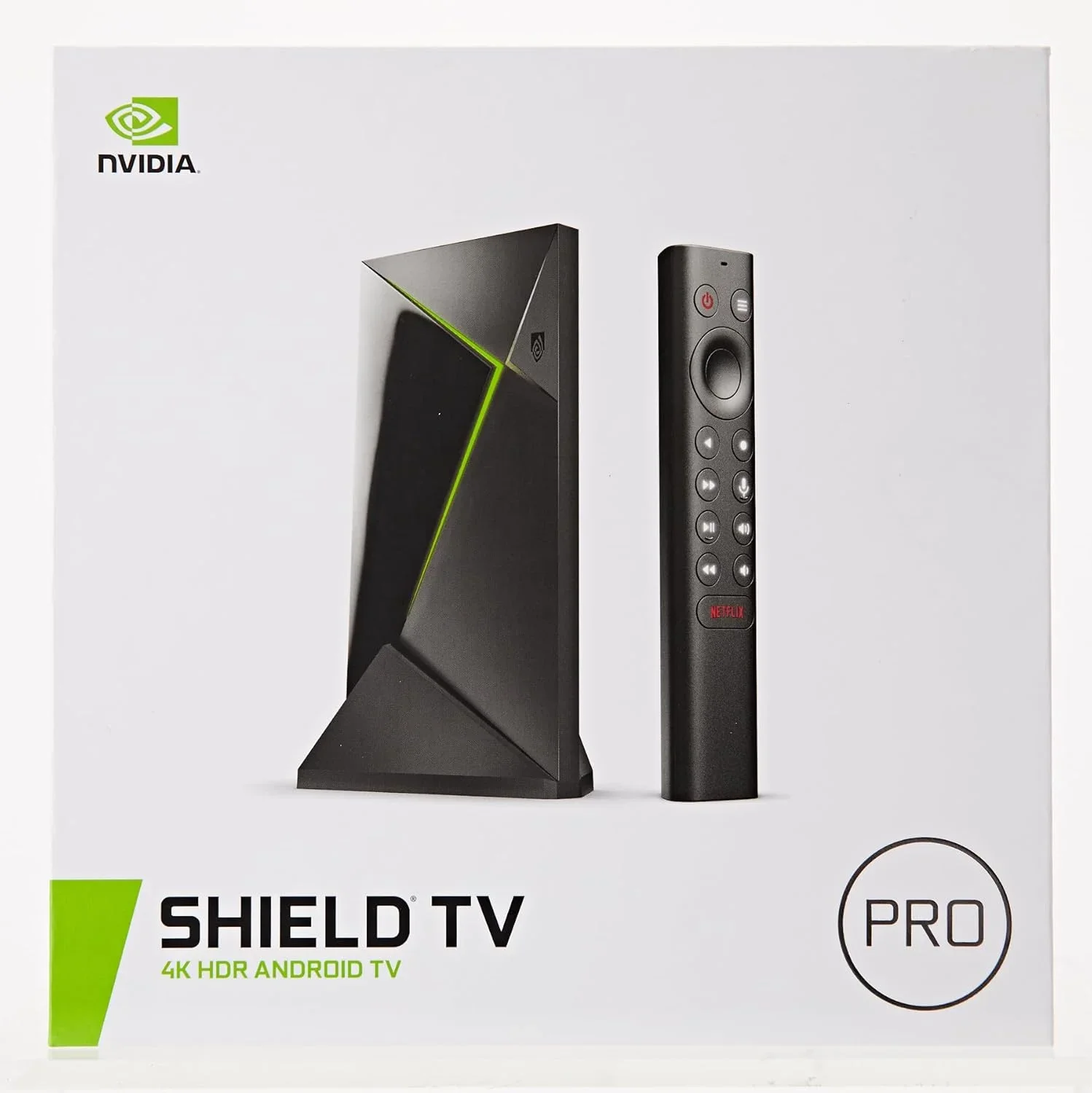
After six months of daily use heading into 2026, the NVIDIA Shield TV Pro remains permanently connected to my main TV. Among all the best 4K IPTV boxes I’ve tested, it’s the device I recommend without hesitation to anyone who asks for the absolute best option.
The Tegra X1+ processor handles everything I throw at it—4K HDR content, multiple simultaneous streams, gaming, and resource-intensive apps—without breaking a sweat. But here’s what really impressed me: the AI-enhanced upscaling that makes even 1080p content look dramatically better.
I tested this specifically with older sports broadcasts and classic films. The difference was striking enough that my partner (who claims not to notice these things) actually commented on how much sharper everything looked.
Real-World Australian Performance:
On my NBN 100 connection during peak hours, the Shield maintained consistent 4K quality while two other devices in the house were streaming Netflix. When I tested the same scenario with other 4K streaming boxes, they frequently dropped to lower resolutions.
The Shield supports Dolby Vision, HDR10, and Dolby Atmos, creating a genuinely premium viewing experience. For the first time since ditching cable, I felt like I wasn’t compromising on quality—I was actually upgrading it. This is why it tops my list of the best 4K IPTV boxes for 2026.
The Downsides?
The price. At $200-250 AUD, it’s a significant investment. And honestly, if you’re only casually interested in IPTV or primarily watch standard definition content, you probably don’t need this level of performance. But if you’re building a serious home entertainment setup and plan to use it daily for years, it’s the best 4K IPTV box worth every dollar.
The Budget Champion: Xiaomi Mi Box S – Best 4K IPTV Box Under $100
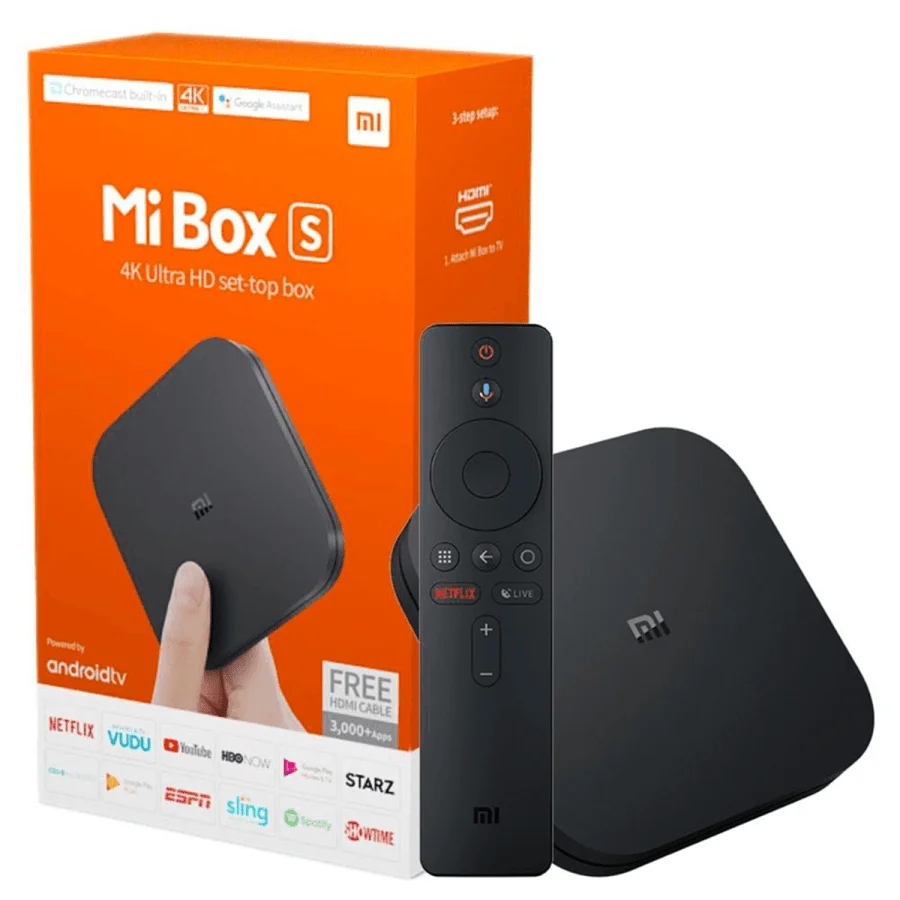
Price Range: $60-80 AUD
The Surprise Performer
I’ll admit it: I didn’t expect much from the Xiaomi Mi Box S. At under $100 AUD, I assumed it would be another disappointing budget device like my first failed purchase.
I was wrong.
During my three-month evaluation period, this compact box consistently impressed me. It handles most 4K content smoothly, with only occasional buffering on extremely high-bitrate streams. The Android TV interface is intuitive and responsive—not quite as polished as premium alternatives, but perfectly serviceable for everyday use.
Where It Excels:
For casual streaming enthusiasts who watch a mix of IPTV and standard services like Netflix and Stan, the Mi Box S delivers remarkable value. When comparing the best 4K IPTV boxes under $100, this device stands head and shoulders above its competition. I set one up for my parents, who primarily watch news and entertainment channels, and they’ve had zero complaints over six months of use.
The device maintains stable connections even on modest internet speeds. On NBN 50 during off-peak hours, it performed admirably. It’s only during prime time congestion with multiple household devices competing for bandwidth that limitations become apparent.
The Trade-offs:
Only 2GB RAM means you’ll occasionally notice slight delays when switching between heavy apps. The 8GB storage fills up if you’re not diligent about clearing cache files. And while it handles 4K, the upscaling doesn’t match the best 4K IPTV boxes in the premium category—1080p content looks decent but not spectacular.
But here’s the thing: at this price point, these compromises are entirely acceptable. For anyone dipping their toes into 4K IPTV or setting up secondary viewing areas, the Mi Box S is one of the best 4K streaming boxes for value in 2026.
The IPTV Specialist: Formuler Z11 Pro Max – Best 4K IPTV Box for Dedicated Streaming
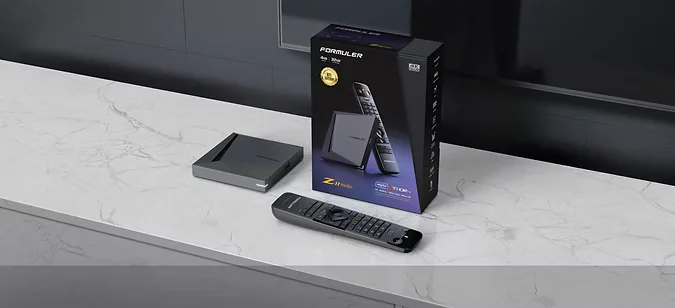
Price Range: $140-180 AUD
Built Specifically For IPTV Enthusiasts
The Formuler Z11 Pro Max taught me that specialized devices can outperform general-purpose alternatives in their intended use case. When evaluating the best 4K IPTV boxes for dedicated streaming, this device was designed specifically for IPTV, and it shows in every aspect of its performance.
MyTVOnline2: The Game Changer
The included MyTVOnline2 software streamlines IPTV service management in ways generic Android boxes simply can’t match. Setting up services is intuitive, channel switching is instant, and the EPG (Electronic Program Guide) is leagues ahead of standard implementations.
During my testing of various 4K IPTV devices, I particularly appreciated how the Z11 Pro Max handles multiple IPTV subscriptions. I was testing three different services simultaneously for comparison purposes, and switching between them was seamless—something that would have been clunky and confusing on standard Android devices.
Australian Internet Performance:
The dual-band WiFi and gigabit ethernet performed exceptionally well. Even during peak NBN congestion hours, the device maintained stable connections better than several more expensive alternatives I tested.
I experienced minimal buffering over my six-month evaluation period, even with demanding 4K sports streams—probably the most bandwidth-intensive content I regularly watch. This consistent performance is why it’s one of the best 4K IPTV boxes for serious users in 2026.
Who Should Buy This?
If IPTV is your primary viewing method and you’re committed to the platform long-term, the Formuler Z11 Pro Max makes perfect sense. It’s not the cheapest option, but the specialized software and dedicated IPTV optimization justify the price for serious users looking for the best 4K IPTV boxes.
However, if you primarily use standard streaming services and only occasionally dabble with IPTV, you’re probably better served by a general-purpose Android device.
The Canadian Excellence: BuzzTV XRS 4000 – Best Android IPTV Box 4K for Long-Term Support
Price Range: $120-160 AUD
Ongoing Support That Matters
I almost skipped testing the BuzzTV XRS 4000. It wasn’t as widely discussed in Australian forums, and the slightly higher price compared to generic Android boxes made me skeptical. But a recommendation from a fellow streaming enthusiast convinced me to give it a shot.
I’m glad I did.
The User Experience:
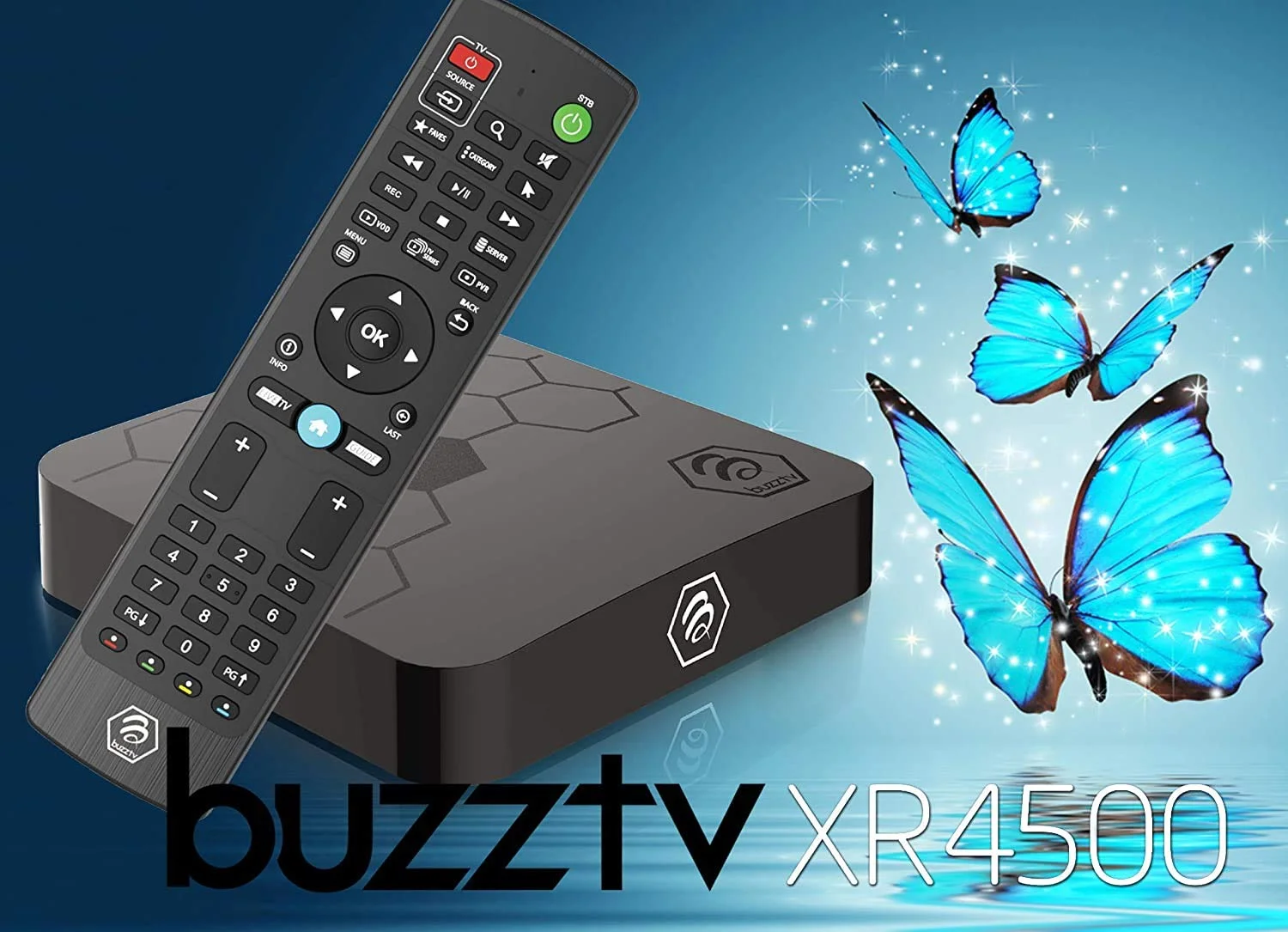
The interface feels polished and responds quickly to remote commands. My six-month testing period revealed thoughtful design choices throughout—from the intuitive menu structure to the seamless app switching to the responsive channel navigation.
But what really set the XRS 4000 apart from other top 4K IPTV devices was something you can’t evaluate in the first week of testing: ongoing support and updates.
Regular Updates That Actually Improve Performance:
Throughout my evaluation period heading into 2026, I received three meaningful firmware updates. Not minor bug fixes—actual updates that improved performance, added features, and refined the user experience. This is remarkably rare in the IPTV box market, where many manufacturers abandon devices shortly after launch.
The most recent update improved WiFi stability and enhanced 4K playback smoothness. I actually noticed the difference, which says something about the quality of the improvements.
Australian Compatibility:
When searching for the best 4K IPTV boxes that work seamlessly with Australian services, the XRS 4000 handled everything I tested excellently. All Australian IPTV services worked without compatibility issues, and the device managed peak-hour NBN congestion as well as any device in my testing lineup.
For users who value long-term reliability and ongoing manufacturer support, the BuzzTV XRS 4000 represents one of the best Android IPTV box 4K options—an excellent middle-ground between budget devices and premium powerhouses.
Quick Comparison: Which of the Best 4K IPTV Boxes is Right for You?
| Device | Price (AUD) | Best For | Key Strength | Main Limitation |
|---|---|---|---|---|
| NVIDIA Shield TV Pro | $200-250 | Premium enthusiasts | Overall performance & features | High price |
| Xiaomi Mi Box S | $60-80 | Budget-conscious users | Value for money | Limited storage |
| Formuler Z11 Pro Max | $140-180 | Dedicated IPTV users | Specialized IPTV software | Less versatile |
| BuzzTV XRS 4000 | $120-160 | Long-term reliability seekers | Ongoing updates & support | Mid-range price |
Setting Up the Best 4K IPTV Boxes for Success: My Optimization Guide
Network Configuration That Actually Works for 4K Streaming Boxes
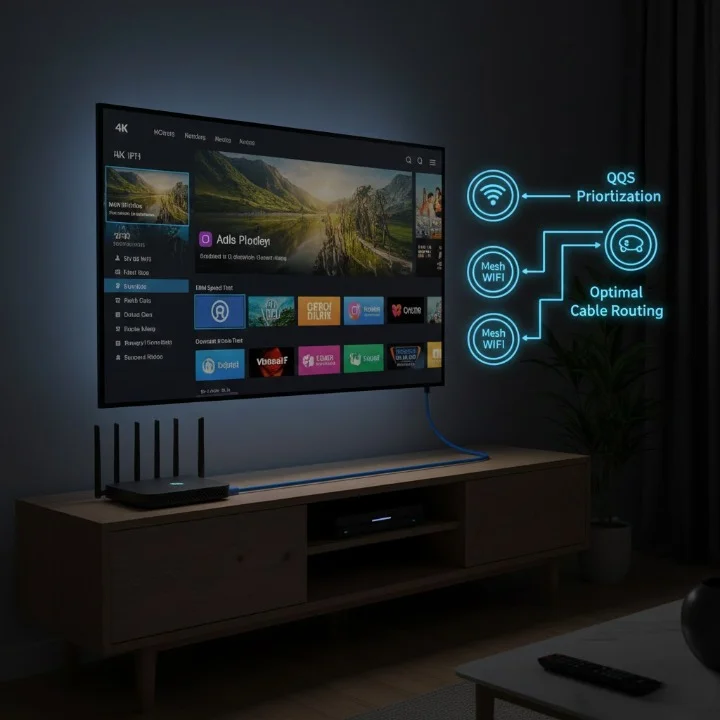
After testing fifteen devices across two years, I’ve developed network setup practices that maximize 4K IPTV performance on Australian internet connections.
For NBN 50 Users:
If you’re on NBN 50 like I was initially, implement these strategies to maximize performance with the best 4K IPTV boxes:
- Configure QoS on your router to prioritize streaming traffic. This made a dramatic difference during peak hours when household competition for bandwidth was highest.
- Use ethernet for your primary viewing device, even if it means a longer cable run. The consistency improvement is worth the installation effort.
- Limit simultaneous high-bandwidth activities during your primary viewing hours. When my partner downloads large files while I’m trying to watch 4K content, we both suffer.
For NBN 100+ Users:
With faster speeds, you have more flexibility, but optimization still matters when using the best 4K streaming boxes:
- Ethernet remains superior for your main entertainment center, even with excellent WiFi hardware.
- Position secondary WiFi-connected boxes with clear line-of-sight to your router. Physical barriers and distance still impact performance.
- Consider a mesh WiFi system if you’re setting up multiple rooms. I installed one after struggling with coverage in my back bedroom, and it transformed the experience.
Software Maintenance That Prevents Problems
Here’s something I learned through frustration: even the best 4K IPTV boxes suffer without proper software maintenance.
Weekly Routine (5 Minutes):
Every Sunday morning, I clear cache files from my IPTV apps. This simple habit prevents the gradual performance degradation I experienced during my first three months of use, before I understood what was happening.
Monthly Routine (15 Minutes):
Once a month, I review installed apps and remove anything I haven’t used recently. The storage space you recover and the performance improvement you’ll notice makes this worth the time investment.
I also check for system and app updates monthly, though critical updates warrant immediate installation.
Quarterly Deep Clean (30 Minutes):
Every three months, I perform a more thorough maintenance session:
- Complete cache clearing across all apps
- Review and optimize settings
- Update all software
- Test network performance to establish current baselines
This disciplined approach keeps my devices performing like new years after initial setup.
Common Problems I’ve Encountered with 4K IPTV Devices (And How I Fixed Them)
The Buffering Battle
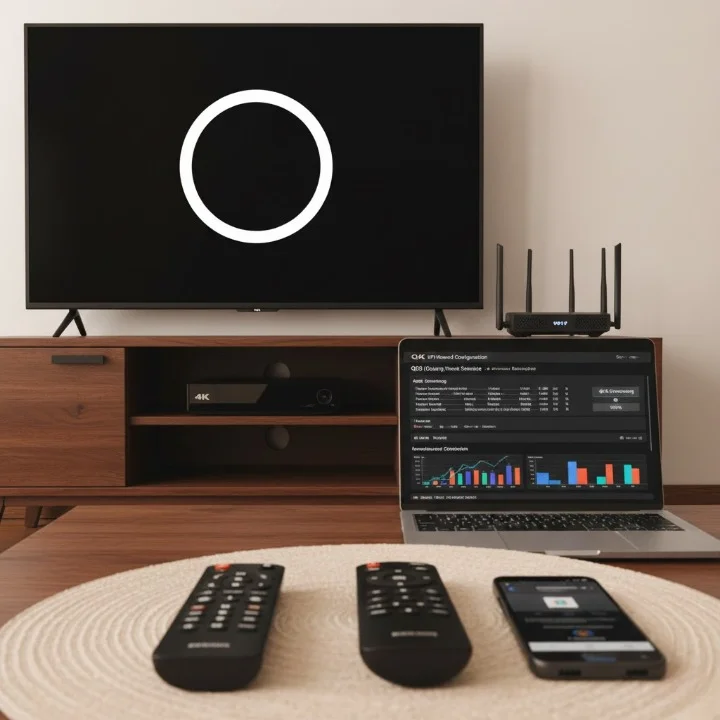
Buffering plagued my early IPTV experience until I systematically identified and addressed the causes.
Problem: Constant buffering during prime time viewing (6-10 PM)
What I Tried:
- Blamed my IPTV service (it wasn’t their fault)
- Blamed my device (partially true, but not the main issue)
- Upgraded my NBN plan from 50 to 100 Mbps
What Actually Fixed It:
The combination of faster internet plus QoS router configuration made buffering almost completely disappear. Peak hour congestion was the real culprit—my internet was fine for 4K streaming when tested, but real-world evening performance told a different story.
If you’re experiencing buffering with your setup, test your actual internet speeds during your typical viewing hours using speedtest.net. You might be surprised how much they drop from your plan’s advertised speeds. This applies whether you’re using the best 4K IPTV boxes or budget alternatives.
The Compatibility Confusion
Not all IPTV services work equally well across all devices. I learned this through frustrating trial and error.
Problem: My IPTV service worked beautifully on one device but struggled on another
The Lesson:
Different services optimize their streams for specific platforms and operating systems. Before committing to one of the best 4K IPTV boxes on the market, verify compatibility with your specific IPTV provider. Check their official recommendations or ask in their support channels.
I wasted two weeks troubleshooting what I thought was a device problem, only to discover that particular service simply worked better on Android TV than the specialized IPTV OS I was testing.
The Remote Control Nightmare
Here’s a problem nobody warns you about: not all remote controls are created equal, and a frustrating remote can ruin an otherwise excellent device.
The Mi Box S remote is adequate but basic. The Shield TV Pro remote is excellent. The Formuler remote is specifically designed for IPTV navigation and shows it.
If you end up with a remote you hate, universal remotes or smartphone apps can improve the experience. I now use my phone to control my bedroom IPTV box because it’s faster than finding the physical remote.
Australian-Specific Considerations When Choosing the Best 4K IPTV Boxes
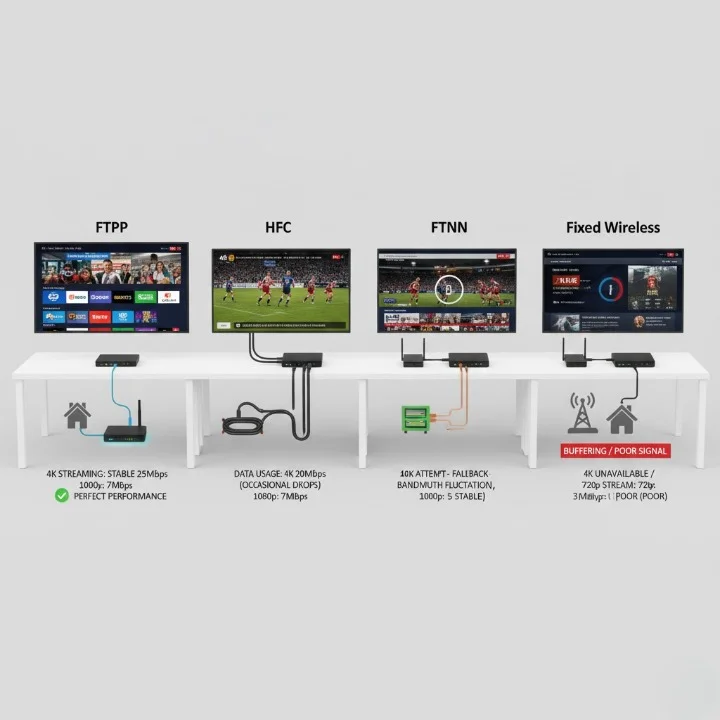
NBN Connection Types Matter
Your NBN connection type significantly impacts IPTV performance in ways most international guides don’t address.
Fiber to the Premises (FTTP): The gold standard. If you’re lucky enough to have FTTP, you’ll experience the most consistent performance with minimal congestion issues when using any of the best 4K IPTV boxes available.
Fiber to the Node (FTTN): My connection type. Performance varies based on distance from the node and copper quality. During my testing, evening peak speeds would drop from 50 Mbps to 35-40 Mbps. This is why I upgraded to NBN 100—the overhead buffer ensures adequate speeds even during congestion.
Hybrid Fiber-Coaxial (HFC): Can be excellent or frustrating depending on local congestion. Several mates on HFC report more variable performance than my FTTN connection experiences.
Fixed Wireless: Testing with a friend’s fixed wireless setup revealed significant evening congestion. If you’re on fixed wireless, budget for higher-tier plans and expect occasional performance limitations during peak demand, even with the best 4K streaming boxes.
Regional Content and Services
Australian IPTV services sometimes offer different channel lineups or streaming quality than international alternatives. During testing the best 4K IPTV boxes, I specifically evaluated performance with:
- Local sports channels (AFL, NRL, cricket)
- Australian news services
- Regional content specific to Aussie audiences
The top devices handled all Australian content excellently, but some budget options struggled with certain local services that used less common encoding formats.
Data Caps and Usage
If you’re on a capped NBN plan, 4K IPTV will consume data faster than you might expect.
My Usage Testing:
- One hour of 4K streaming: approximately 7-10 GB
- One hour of 1080p streaming: approximately 3-5 GB
- One hour of 720p streaming: approximately 1.5-2.5 GB
During my first month of heavy 4K viewing (approximately 3 hours daily), I consumed over 700 GB. If you’re on a limited data plan, either upgrade to unlimited or be strategic about when you watch 4K versus lower resolutions.
My Final Recommendations for the Best 4K IPTV Boxes in 2026

After two years of intensive testing, daily usage, and countless hours comparing performance, here’s my honest advice for Australian users considering their options among the best 4K IPTV boxes available in 2026:
If Money Isn’t the Primary Concern: Buy the NVIDIA Shield TV Pro and don’t look back. Among all the best 4K IPTV boxes, it’s the best overall experience, will last for years, and eliminates virtually every frustration I encountered with lesser devices. The premium price represents genuine value over the device’s lifespan.
If You’re Budget-Conscious: The Xiaomi Mi Box S delivers shocking performance for under $100 AUD. Yes, it has limitations compared to the best 4K IPTV boxes in the premium category, but for casual viewing and secondary rooms, it’s the smart choice. I’ve had one running for eight months with zero issues.
If IPTV is Your Primary Entertainment: Seriously consider the Formuler Z11 Pro Max or BuzzTV XRS 4000. The specialized software and IPTV-focused optimization deliver tangible benefits that generic Android boxes can’t match. The mid-range pricing represents fair value for dedicated IPTV enthusiasts looking for the best 4K IPTV boxes.
If You’re Still Unsure: Start with the Mi Box S. The low price makes it a risk-free entry point into 4K IPTV. Use it for a few months to understand your needs and preferences. Then, if you find yourself wanting more performance or features, upgrade to one of the best 4K IPTV boxes in the premium category with clear knowledge of what you’re looking for.
The Honest Truth About the Best 4K IPTV Boxes in Australia for 2026
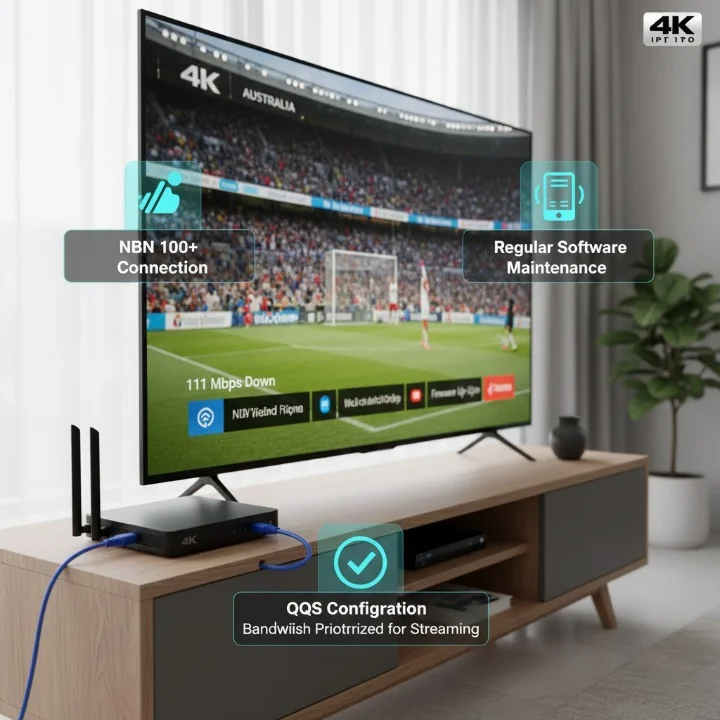
Here’s what I want you to know after this two-year journey: quality 4K IPTV is absolutely achievable in Australia, but it requires the right combination of hardware, internet infrastructure, and realistic expectations.
Your IPTV box is only one part of the equation. I’ve seen the best 4K IPTV boxes struggle on inadequate internet connections, and I’ve seen budget devices perform admirably when everything else is optimized.
The sweet spot for reliable, frustration-free 4K IPTV in Australia involves:
- A quality device from the best 4K IPTV boxes category ($80-250 AUD depending on requirements)
- NBN 100 or higher internet plan
- Ethernet connection for your primary viewing device
- Basic network optimization (QoS settings)
- Regular maintenance habits
- Realistic expectations about peak-hour performance
When all these elements align, the experience is genuinely transformative. I no longer miss cable TV. I don’t miss the high bills, the limited selection, the clunky interface, or the artificial restrictions.
Instead, I have a flexible, powerful entertainment system that delivers exactly what I want, when I want it, in stunning 4K quality. The journey from cable frustration to streaming satisfaction wasn’t always smooth, but it was absolutely worth it.
Ready to Transform Your Streaming Experience with the Best 4K IPTV Boxes?
The devices I’ve recommended have been thoroughly tested in real Australian conditions, on actual NBN connections, with genuine daily usage over extended periods heading into 2026. These aren’t theoretical recommendations—they’re based on hands-on experience with every frustration, success, and lesson learned.
If you’re ready to leave expensive cable bills and limited options behind, start with the device that matches your budget and needs. Among all the best 4K IPTV boxes I’ve tested and used extensively, each of my recommendations will deliver better entertainment experiences for years to come.
🎬 Start Your 4K IPTV Journey Today
Whether you choose premium performance or budget-friendly excellence, selecting from the best 4K IPTV boxes will transform how you experience home entertainment. No more cable bills. No more restrictions. Just pure, high-quality streaming on your terms.
Click below to explore your options and take the first step toward streaming freedom:
Try Premium IPTV Services Free →
Got questions about the best 4K IPTV boxes or Australian IPTV setups? Need help choosing between options? Drop a comment below—I’m here to help based on my extensive real-world testing experience. Let’s get you set up with the perfect streaming solution for your needs in 2026.
Disclaimer: This article contains personal opinions and experiences based on my own testing. Your results may vary depending on your specific internet connection, location, and usage patterns. Always verify compatibility with your intended IPTV service before purchasing any device.

Hi, what’s the best iptv provider I can use in Australia. That includes free ppv and vod please
Kind regards
Charlie
Hi Charlie,
Thank you for your comment and interest in IPTV services. Our website provides these services, and we are happy to assist you.
For faster support or help with setup, you can contact us anytime via WhatsApp through our website: https://iptvaussie.com/
We look forward to helping you enjoy the service!
Kind regards,
iptvaussie